How to Conduct a Consultation for Female Alopecia: A Practical Guide for GPs
A structured guide for Australian GPs on assessing female alopecia, including key history questions, physical examination tips, differential diagnoses, investigations, and evidence-based treatment options.
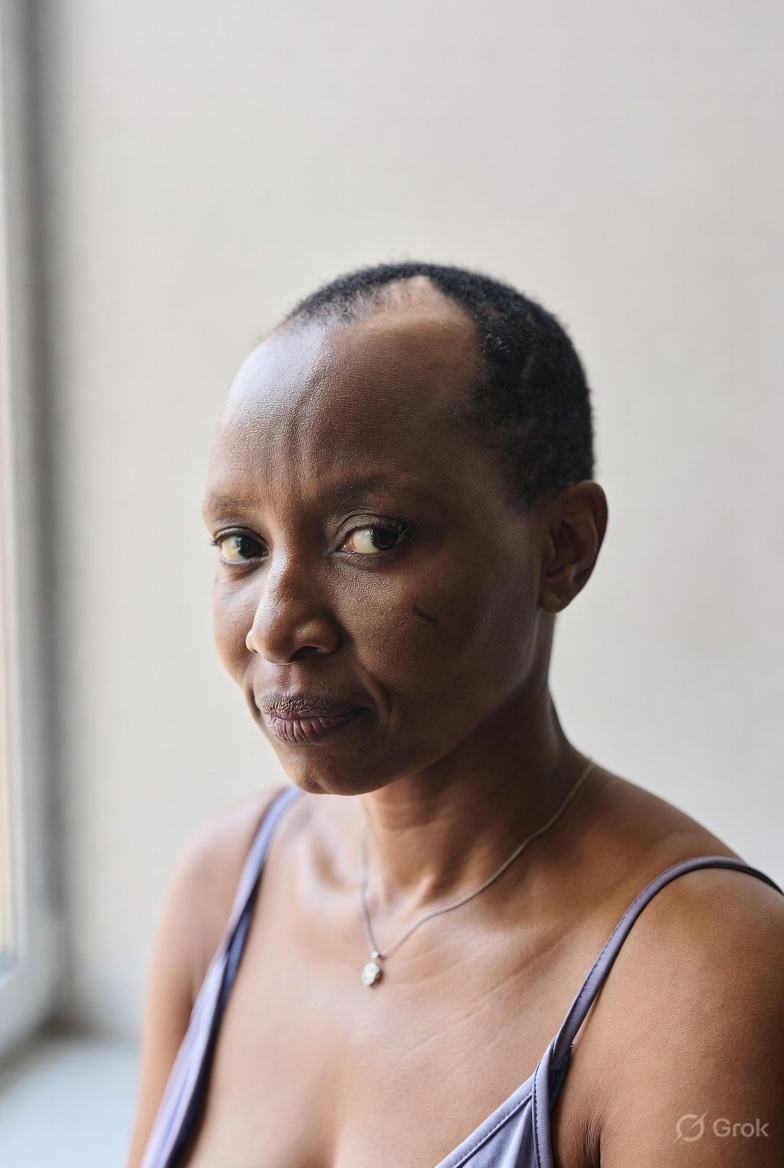
How to Conduct a Consultation for Female Alopecia: A Practical Guide for GPs
Hair loss in women is rarely just cosmetic.
It can lead to:
- psychological distress
- reduced self-esteem
- social anxiety
- relationship strain
For many patients, alopecia is a deeply emotional issue, not simply a dermatological complaint.
A structured consultation improves diagnostic accuracy and patient reassurance.
Table of Contents
- Why Female Alopecia Matters in General Practice
- Step 1: Take a Focused but Thorough History
- Step 2: Physical Examination
- Step 3: Differential Diagnosis
- Step 4: Investigations
- Step 5: Management Approach
- Psychological Support Matters
- When to Refer
- Structured Follow-Up
- Final Thoughts
- Explore AI Tools for Structured Dermatology Consultations
Why Female Alopecia Matters in General Practice
Female hair loss is common in primary care and has many potential causes.
These include:
- hormonal disorders
- nutritional deficiencies
- autoimmune conditions
- medication effects
- stress-related hair cycle changes
The most common causes are female pattern hair loss and telogen effluvium.
For dermatology guidance see the
DermNet overview of female pattern hair loss.
Step 1: Take a Focused but Thorough History
A detailed history often identifies the likely cause.
Onset and Pattern
Ask:
- When did the hair loss start?
- Was it sudden or gradual?
- Is it diffuse thinning or patchy?
- Is there increased shedding (e.g. hair on pillow or shower drain)?
Clarify the difference between:
| Pattern | Suggests |
|---|---|
| Diffuse shedding | Telogen effluvium |
| Gradual thinning over crown | Female pattern hair loss |
| Patchy loss | Alopecia areata |
| Hairline recession | Traction alopecia |
Triggering Events (Last 3–6 Months)
Common triggers include:
- pregnancy or postpartum
- major illness
- surgery
- COVID infection
- psychological stress
- rapid weight loss
- new medications
Telogen effluvium typically appears 2–3 months after the triggering event.
Menstrual and Hormonal History
Hormonal factors may influence hair loss.
Important questions include:
- irregular menstrual cycles
- symptoms of PCOS
- acne or hirsutism
- perimenopause symptoms
- hormonal contraception use
If androgen excess is suspected, the differential diagnosis changes.
For PCOS background see:
Jean Hailes – Polycystic Ovary Syndrome Overview.
Nutritional Factors
Hair health depends on adequate nutrition.
Ask about:
- vegetarian or vegan diets
- iron intake
- restrictive dieting
- eating disorders
Low ferritin is frequently associated with female hair shedding.
Medication Review
Several medications may contribute to hair loss.
Common examples include:
- anticoagulants
- isotretinoin
- valproate
- beta blockers
- chemotherapy
- rapid steroid withdrawal
Always review recent medication changes.
Family History
Genetic pattern matters.
Ask about:
- female relatives with thinning hair
- early balding in male relatives
Family history supports androgenetic alopecia.
Step 2: Physical Examination
Physical examination helps differentiate common causes.
General Observation
Look for:
- diffuse thinning over crown
- widened part line
- preservation of frontal hairline
- patchy bald areas
These visual clues often guide diagnosis.
Hair Pull Test
Gently pull 40–60 hairs.
If more than 10% come out easily, this suggests active shedding such as telogen effluvium.
Scalp Examination
Check carefully for:
- scaling (seborrhoeic dermatitis, psoriasis)
- erythema
- scarring
- broken hairs
- inflammation
- exclamation mark hairs (alopecia areata)
Scarring alopecia requires urgent dermatology referral because hair loss may be permanent.
Signs of Hyperandrogenism
Look for systemic clues such as:
- acne
- hirsutism
- central obesity
- acanthosis nigricans
These features may suggest PCOS or androgen excess.
Step 3: Differential Diagnosis
The most common causes include:
Female Pattern Hair Loss (Androgenetic Alopecia)
Typical features:
- gradual thinning
- crown involvement
- widened hair part
- family history common
This is the most common cause of female hair loss.
Telogen Effluvium
Typical features:
- diffuse hair shedding
- identifiable trigger 2–3 months earlier
- positive hair pull test
Often reversible once the trigger resolves.
Alopecia Areata
Typical features:
- well-defined patches
- exclamation mark hairs
- autoimmune association
For clinical guidance see:
DermNet – Alopecia Areata Overview.
Traction Alopecia
Often caused by:
- tight hairstyles
- braiding
- prolonged tension on hair follicles
Hair loss typically appears along the hairline or temples.
Scarring Alopecia
Warning features include:
- scalp inflammation
- shiny scalp surface
- follicle loss
These patients require urgent dermatology assessment.
Step 4: Investigations
Investigations should be tailored to the history.
Common tests include:
- FBE
- ferritin (aim >50–70 mcg/L for optimal hair growth)
- TSH
- vitamin D
- vitamin B12
- zinc (if clinically indicated)
- HbA1c (if metabolic risk present)
- androgen profile (if PCOS suspected)
Not every patient requires every test. Investigations should follow clinical suspicion.
Step 5: Management Approach
Treatment depends on the underlying diagnosis.
Female Pattern Hair Loss
First-line treatment:
- Topical minoxidil 5% once daily
Explain to patients:
- shedding may increase initially
- visible improvement takes 4–6 months
- treatment must be continued long-term
Specialist options may include:
- low-dose oral minoxidil
- spironolactone (if hyperandrogenic features present)
Telogen Effluvium
Management focuses on addressing the trigger.
Approaches include:
- identifying and removing the cause
- correcting iron deficiency
- nutritional optimisation
- stress management
Telogen effluvium is often self-limiting.
Alopecia Areata
Management options include:
- intralesional corticosteroids (if trained)
- dermatology referral
- screening for autoimmune disease
Address Contributing Factors
Hair loss may reflect systemic health.
Consider addressing:
- iron deficiency
- thyroid dysfunction
- vitamin D deficiency
- PCOS
- weight management
- smoking cessation
Hair health often mirrors overall metabolic and hormonal health.
Psychological Support Matters
Hair loss can significantly affect mental wellbeing.
Acknowledging the emotional impact is important.
For example:
“Hair loss can be very distressing. We’ll work through this step by step together.”
Validation improves:
- patient trust
- treatment adherence
- consultation satisfaction
Related article:
Mental Health Consultation in General Practice
When to Refer
Dermatology referral is recommended when:
- scarring alopecia is suspected
- rapid progression occurs
- diagnosis is uncertain
- first-line treatment fails
- significant inflammation is present
Structured Follow-Up
Hair growth cycles take time.
Suggested review schedule:
| Time | Focus |
|---|---|
| 3 months | symptom review |
| 6 months | treatment response |
| 12 months | long-term plan |
Setting realistic expectations improves patient satisfaction.
Final Thoughts
Female alopecia is common in general practice.
But it is rarely trivial.
A structured consultation should include:
- detailed history
- focused scalp examination
- targeted investigations
- clear differential diagnosis
- evidence-based treatment
- emotional support
When managed systematically, most patients improve — both physically and psychologically.
Explore AI Tools for Structured Dermatology Consultations
If you want to structure dermatology and chronic care consultations more efficiently:
- Explore the GPCCMP Generator
- Try the AI Agent for GPs
- Access mental health planning tools via the MHCP Generator
- View the full workflow suite on the Caredevo Offer Page
- Read more insights on the Caredevo Blog
Next step
See how AI can help you structure dermatology and chronic care consultations in general practice.