Atomic Habits System for Exercise That Actually Sticks
A practical guide for Australian GPs on helping patients build a sustainable exercise habit using SMART goals and Atomic Habits principles. Move beyond motivation and create a structured behavioural system for long-term physical activity.
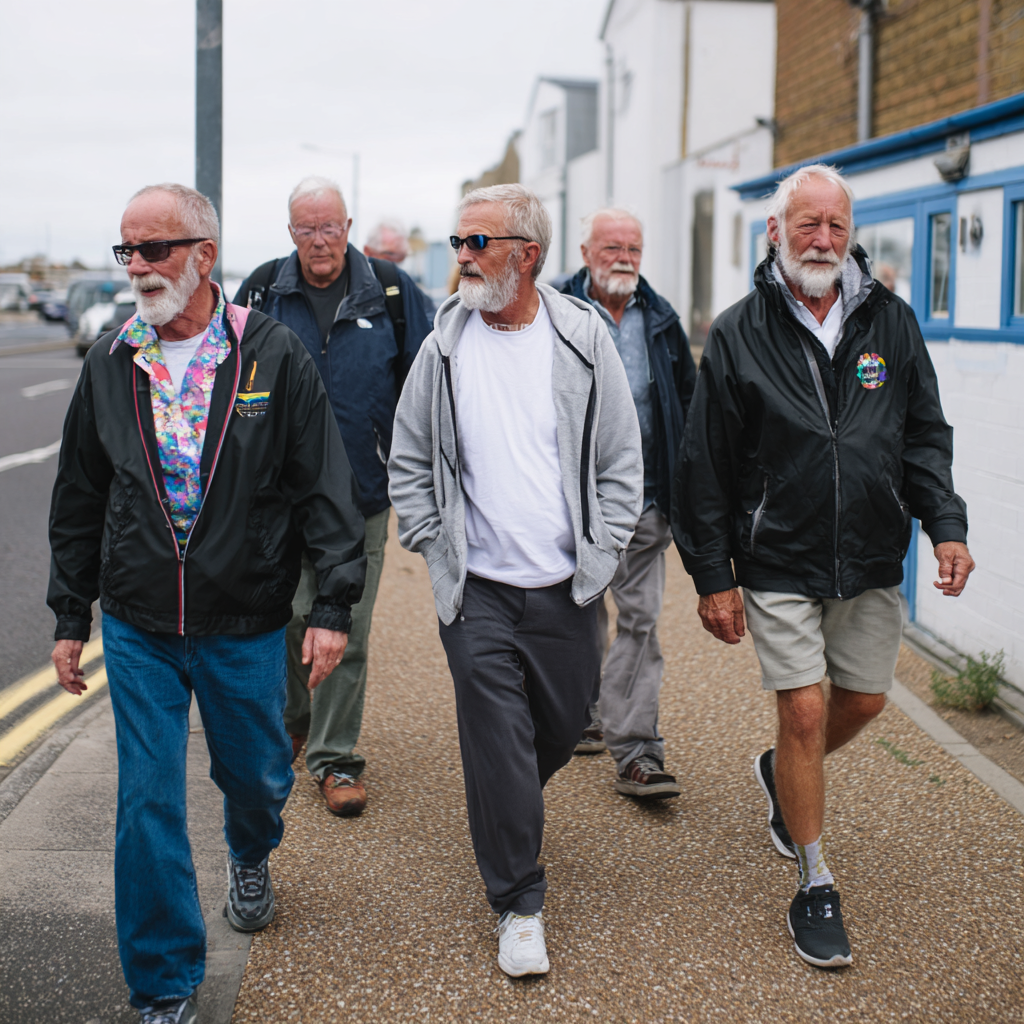
Stop Relying on Motivation: The SMART Goal and Atomic Habits System for Exercise That Actually Sticks
Most patients do not fail at exercise because they are lazy.
They fail because they are relying on motivation.
Every GP hears versions of the same story:
- “I just need to get back into the gym.”
- “I’ll start next week.”
- “I know I should exercise more.”
Yet physical inactivity remains one of the most important modifiable risk factors for:
- cardiovascular disease
- type 2 diabetes
- obesity
- depression
- osteoporosis
- sarcopenia
Exercise failure is usually not a knowledge problem.
It is a systems problem.
Motivation may start behaviour. Systems are what keep behaviour going.
If exercise is treated as a structured behavioural intervention — not a burst of enthusiasm — long-term adherence improves.
For broader chronic care context, see:
- WHO – Physical Activity Fact Sheet
- Australian Department of Health – Physical Activity and Exercise Guidelines
- Heart Foundation – Physical Activity Guidelines
Table of Contents
- Why Patients Struggle to Sustain Exercise
- Why Motivation Is Unreliable
- The Better Approach: SMART Goals Plus Habit Design
- Step 1: Set a SMART Behavioural Goal
- Step 2: Make Exercise Obvious
- Step 3: Make It Easy
- Step 4: Use Habit Stacking
- Step 5: Make It Attractive
- Step 6: Track the System, Not Just the Outcome
- Step 7: Build Identity, Not Just Compliance
- Step 8: Prescribe Exercise Like Medication
- Step 9: Plan for Disruption
- Exercise Is Preventive Medicine
- Quick Comparison: Weak Exercise Plan vs Strong Exercise System
- How GPs Can Use This in Practice
- Final Thoughts
- Explore AI Tools for Preventive and Chronic Care Planning
Why Patients Struggle to Sustain Exercise
Many patients start with good intentions.
Then life interrupts the plan:
- work stress
- fatigue
- weather
- school runs
- illness
- travel
Common barriers include:
- all-or-nothing thinking
- unrealistic targets
- time mismanagement
- lack of visible progress
- identity mismatch (“I’m not sporty”)
The problem is often not intention.
The problem is the absence of a usable daily system.
Patients often do not need more motivation. They need a routine that survives ordinary life.
Why Motivation Is Unreliable
Motivation changes from day to day.
Energy changes.
Schedules change.
When exercise depends on:
- mood
- spare time
- weather
- gym access
it becomes fragile.
Many patients set outcome-based goals such as:
“Lose 10 kg.”
“Get fit.”
“Go to the gym 5 times a week.”
These goals sound good, but they often fail because they are too dependent on emotion and ideal conditions.
When one session is missed, the whole plan can collapse.
The Better Approach: SMART Goals Plus Habit Design
Exercise adherence improves when we combine:
- SMART behavioural goals
- environment design
- low-friction routines
- habit stacking
- system tracking
This shifts the focus from willpower to structure.
Related chronic care article:
How to Write SMART Goals in Chronic Disease Management
Step 1: Set a SMART Behavioural Goal
Instead of:
“I want to lose weight.”
set a behavioural goal such as:
- Specific: Walk for 20 minutes
- Measurable: Track sessions each week
- Achievable: 3 times per week
- Relevant: Improve blood pressure and energy
- Time-bound: Review in 4 weeks
The important principle is this:
Focus on behaviour first, not body composition.
Weight is a delayed outcome.
Behaviour is the part the patient can actually perform today.
Step 2: Make Exercise Obvious
Exercise is more likely to happen when the cue is visible.
Examples:
- walking shoes next to the bed
- exercise clothes laid out the night before
- calendar reminder at the same time each day
- gym bag already packed in the car
This reflects the habit principle of cue design.
If exercise is invisible, it is easier to forget and easier to delay.
For patient-friendly habit ideas, see
NHS – Exercise Tips.
Step 3: Make It Easy
A common mistake is starting too big.
Instead of prescribing:
- 60-minute gym sessions
- 6 days per week
- full lifestyle overhaul
start with:
- 10-minute walk
- 5-minute bodyweight routine
- 10 squats after brushing teeth
Small habits reduce psychological resistance.
The first goal is not intensity. The first goal is repeatability.
Consistency comes before optimisation.
Step 4: Use Habit Stacking
Habit stacking means attaching a new behaviour to something already automatic.
Examples:
- after morning coffee → 10-minute walk
- after work → change straight into exercise clothes
- after dinner → 5-minute stretch
This reduces decision fatigue because the patient does not need to negotiate the behaviour each day.
For broader behaviour change support, see
Better Health Channel – Physical Activity.
Step 5: Make It Attractive
Exercise is more likely to repeat when it feels rewarding.
Examples:
- podcast only during walks
- favourite music during training
- walking with a friend
- group class for accountability
Making movement enjoyable increases adherence.
This matters because behaviour repeated with a positive association is more likely to persist.
Step 6: Track the System, Not Just the Outcome
Track behaviours such as:
- sessions completed
- minutes active
- resistance sessions per week
- days walked
Try not to over-focus only on:
- weight
- body fat percentage
- mirror changes
Patients often quit because they do not see fast external results, even though important benefits begin earlier.
Regular movement improves:
- blood pressure
- insulin sensitivity
- sleep
- mood
- cardiovascular health
For evidence-based recommendations, see
CDC – Benefits of Physical Activity.
Step 7: Build Identity, Not Just Compliance
Instead of saying:
“I’m trying to exercise.”
encourage patients to think:
“I am becoming someone who moves regularly.”
This shift matters.
Identity-based change is often more durable than outcome-based pressure.
Evidence builds identity:
- “I walked three times this week.”
- “I used the stairs.”
- “I did 10 minutes even when I was tired.”
Every repeated action becomes evidence for a new identity.
Step 8: Prescribe Exercise Like Medication
Exercise advice should be specific.
Consider documenting:
- type — aerobic, resistance, balance
- frequency — how many times per week
- duration — minutes per session
- intensity — light, moderate, vigorous
For many adults, guideline targets include:
- 150–300 minutes of moderate aerobic activity weekly
- muscle strengthening on 2 or more days per week
Older adults may also benefit from:
- balance training
- falls prevention exercises
See:
Step 9: Plan for Disruption
Disruption is inevitable.
Patients need a backup plan for:
- travel
- bad weather
- illness recovery
- busy work periods
- family commitments
Examples:
- hotel bodyweight routine
- indoor walking plan
- 10-minute minimum session rule
- shorter “maintenance week” target
The aim is not perfection.
The aim is preventing a lapse from becoming a full stop.
A strong exercise system includes a plan for bad weeks, not just ideal weeks.
Exercise Is Preventive Medicine
Regular physical activity improves:
- blood pressure
- insulin sensitivity
- lipid profile
- mood
- sleep
- cognitive function
- mobility in older adults
Exercise should be reviewed with the same seriousness as medication adherence.
This is especially relevant in:
- chronic disease management plans
- preventive health reviews
- older adult health assessments
- mental health follow-up
Related articles:
- Chronic Disease Management Plan: Complete Guide for Australian GPs
- Managing Chronic Disease as a Lifetime Project
Quick Comparison: Weak Exercise Plan vs Strong Exercise System
| Approach | Example | Likely Outcome |
|---|---|---|
| Motivation-based | “I’ll go to the gym when I feel ready” | inconsistent |
| Outcome-only | “Lose 10 kg” | discouraging if slow |
| System-based | “Walk 20 minutes after dinner 3 times weekly” | more sustainable |
| Identity-based | “I’m becoming someone who moves daily” | more durable |
This is why the structure around exercise matters more than enthusiasm alone.
How GPs Can Use This in Practice
In general practice, this approach works best when exercise is:
- written as a clear prescription
- linked to a chronic disease goal
- reviewed at follow-up
- adjusted when life changes
- supported by allied health when needed
Exercise physiology referrals can be especially useful for patients with:
- diabetes
- obesity
- osteoarthritis
- chronic pain
- deconditioning
This fits naturally into preventive and chronic disease management workflows.
Final Thoughts
If a patient does not exercise consistently, it is rarely because they lack discipline.
Usually, their system is weak.
SMART goals provide direction.
Habit design provides structure.
When both are combined:
- behaviour becomes more stable
- identity begins to shift
- relapse becomes less likely
- long-term risk improves
Motivation gets patients started. Systems keep them moving.
Explore AI Tools for Preventive and Chronic Care Planning
If you want to structure preventive and chronic care planning more clearly in general practice:
- Explore the GPCCMP Generator
- Access mental health planning tools via the MHCP Generator
- Use the AI Agent for GPs for patient intelligence across your full caseload
- Read more insights on the Caredevo Blog
Next step
See how AI can structure preventive and chronic care planning in your practice.