What If the Mental Health History Was Done Before the Consult?
GP consults are often consumed by history-taking, yet key details are still missed. What if patients could share their full story safely at home before the appointment?
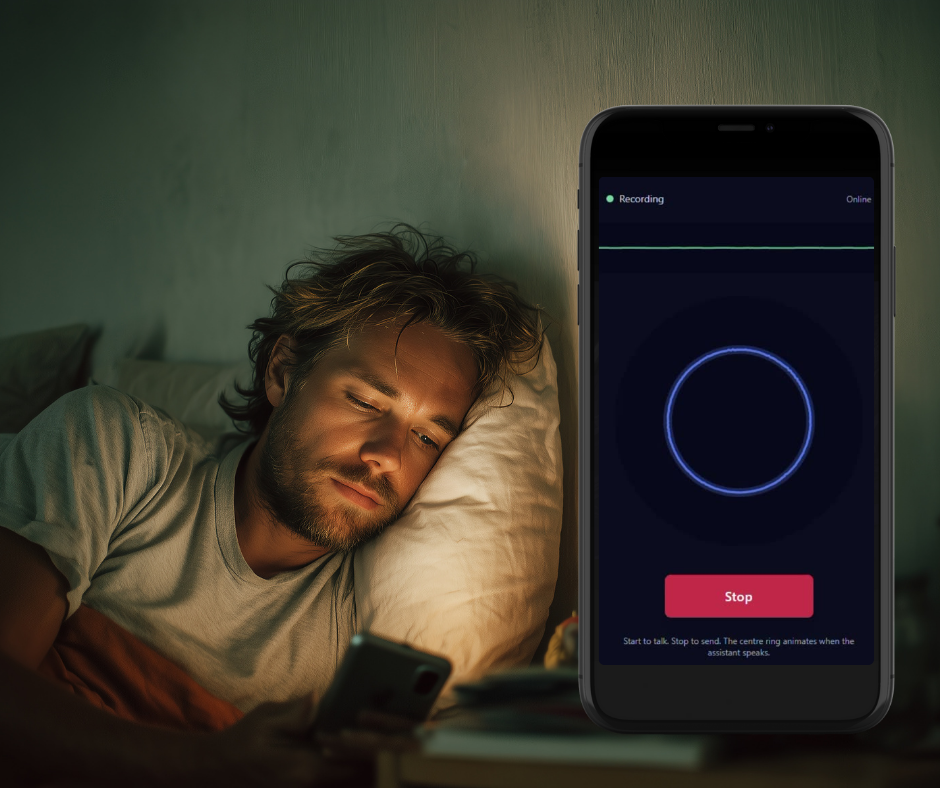
Every GP knows this feeling.
The patient sits down.
You open the Mental Health Care Plan template.
And the clock starts ticking.
15 minutes.
History.
Risk.
Social.
Trauma.
Medication.
Function.
Documentation.
Before you even reach formulation…
half the consult is already gone.
The Hidden Cost of History-Taking
Mental health consults don’t fail because GPs don’t care.
They struggle because there simply isn’t enough time to hear the full story.
You try to ask everything:
- mood
- sleep
- anxiety
- trauma
- childhood
- work
- relationships
- substance use
But patients often:
- feel rushed
- feel embarrassed
- don’t feel safe yet
- forget important details
- minimise painful experiences
So key information gets missed.
And sometimes, what’s missed changes everything.
The Real Pain
A large portion of the consult is spent just collecting history.
Typing. Clarifying. Redirecting.
Trying to build a story while watching the clock.
And even after all that…
You still walk away thinking:
- Did I ask enough about childhood?
- Did I explore learning difficulties?
- Did I miss trauma?
- Is this really depression?
Because patients often open up slowly.
Not in the first 3 minutes.
Not in the first consult.
Sometimes not until they feel completely safe.
What if the history was already done
before they even walked into the room?
At home.
At their own pace.
In a space where they feel safe.
Why Patients Hold Back in the Room
In the clinic, patients are often:
- nervous
- unsure what to say
- afraid of being judged
- overwhelmed
- distracted by time pressure
Some won’t mention:
- childhood trauma
- school struggles
- learning problems
- abuse
- substance use
- cognitive difficulties
Not because they’re hiding it.
But because it’s hard to talk about
when someone is watching and the clock is ticking.
At home, things change.
They have time to think.
Time to remember.
Time to be honest.
A Story That Changes Everything
A 50-year-old woman had been treated for depression for many years.
She had:
- tried multiple antidepressants
- seen counsellors on and off
- struggled to keep stable work
- often described herself as "slow" and constantly tired
Her records were filled with one label:
Depression.
But during a more detailed history, something felt different.
She mentioned:
- struggling at school
- difficulty understanding forms
- trouble managing money
- needing help with basic tasks
This led to a referral for cognitive assessment.
The result:
IQ: 60.
For years, her low mood was treated as depression.
But her real challenge was learning difficulty and limited cognitive capacity.
The sadness was secondary.
The treatment needed to change:
- simpler communication
- supported decision-making
- realistic expectations
- connection with disability support
Not just another antidepressant.
That one missing piece of history
changed the entire understanding of her life.
How Many Stories Do We Miss?
When history is rushed:
- trauma stays hidden
- neurodiversity goes unnoticed
- cognitive impairment is mistaken for depression
- important patterns never surface
And the system keeps repeating:
new medication → brief follow-up → no change → repeat
Not because the GP failed.
Because the story was never fully told.
What If Patients Shared Their Story First?
Imagine this flow:
Before the appointment, the patient:
- answers structured mental health questions at home
- reflects at their own pace
- shares details they might not say face-to-face
- builds a full personal history
By the time they arrive:
- the background is already mapped
- the timeline is clearer
- the psychosocial context is visible
Now the consult becomes:
- less typing
- more listening
- more thinking
- more planning
You focus on:
- assessment
- mental state examination
- formulation
- action plan
Instead of spending most of the session just collecting information.
From Rushed History to Deeper Understanding
When patients can open up in their own environment:
They often share more about:
- childhood experiences
- school struggles
- learning difficulties
- trauma
- fears
- daily functioning
And suddenly, patterns appear.
Patterns that explain years of "treatment-resistant depression."
Where an AI Agent Fits In
An AI mental health history assistant can:
- guide patients through structured questions
- give them time to think and respond
- collect detailed psychosocial information
- organise it into a clear summary
Before the consult even begins.
So when the GP meets the patient:
The story is already there.
And the consult can go deeper.
🎁 Offer
We’re testing an AI agent designed to help patients:
- complete their mental health history at home
- at their own pace
- in a space where they feel safe
So GPs can:
- save consult time
- miss fewer key details
- focus on formulation and planning
- build better Mental Health Care Plans
👉 Want to see how this works in real practice?
Explore the experimental AI MHCP agent and see how it can change the way mental health histories are collected:
Request early access →
Next step
See how an AI agent can collect a comprehensive mental health history before the patient even walks into your room.