What If the Mental Health History Was Done Before the Consult?
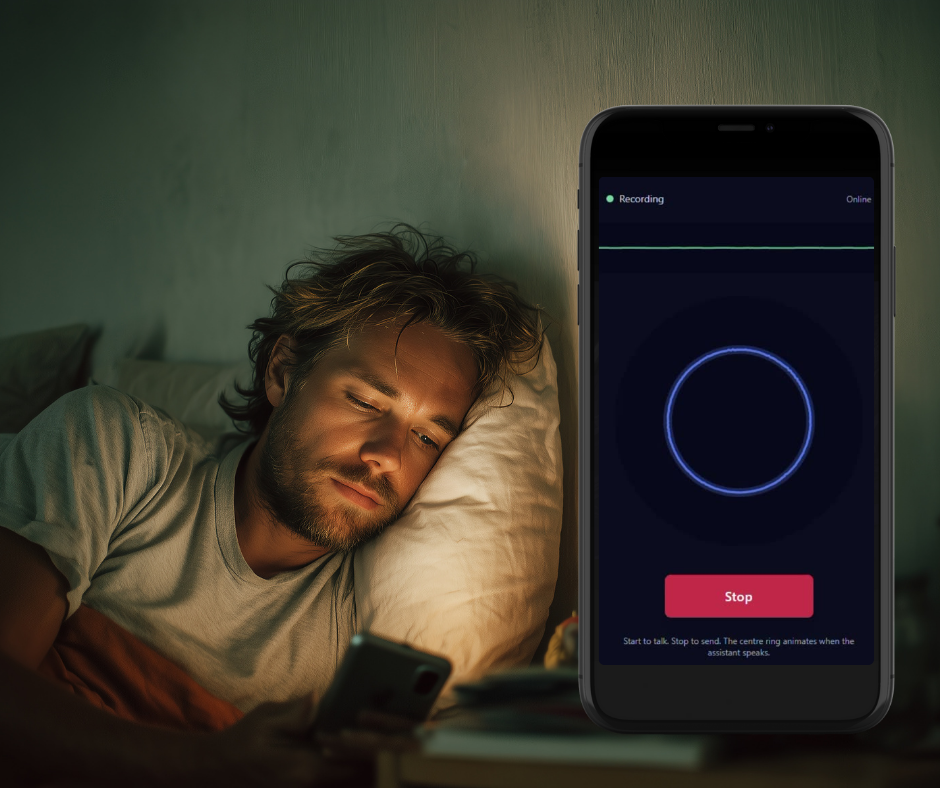
GP consults are often consumed by history-taking, yet key details are still missed. What if patients could share their full story safely at home before the appointment?
What If the Mental Health History Was Done Before the Consult?
Every GP knows this moment.
The patient sits down.
You open the Mental Health Care Plan template.
And the clock starts ticking.
15 minutes
History.
Risk.
Social background.
Trauma.
Medication.
Function.
Documentation.
Before you even reach formulation, half the consult is already gone.
Table of Contents
- The Hidden Cost of History-Taking
- The Real Pressure Inside the Consult
- Why Patients Hold Back in the Room
- A Story That Changes Everything
- How Many Stories Do We Miss?
- What If the History Was Collected Before the Visit?
- Patterns That Often Appear With More Time
- Where an AI Agent Fits In
- How This Changes the GP Workflow
- Final Thoughts
- Explore AI Tools for Mental Health Care
The Hidden Cost of History-Taking
Mental health consultations don’t struggle because GPs don’t care.
They struggle because time is limited.
A comprehensive history ideally explores:
- mood symptoms
- sleep patterns
- anxiety symptoms
- trauma exposure
- childhood environment
- work stress
- relationships
- substance use
But patients often:
- feel rushed
- feel embarrassed
- are not ready to disclose difficult experiences
- forget important details
- minimise painful memories
As a result, key information may be missed.
And sometimes that missing information changes the entire diagnosis.
For official guidance on mental health care planning see:
The Real Pressure Inside the Consult
A large portion of the consultation is spent simply collecting history.
Typing.
Clarifying.
Redirecting the conversation.
Trying to build a coherent narrative while watching the clock.
Even after all that, many clinicians leave the consult wondering:
- Did I ask enough about childhood experiences?
- Did I explore learning difficulties?
- Did I miss trauma?
- Is this really depression?
Patients often open up slowly.
Not in the first three minutes.
Sometimes not even in the first consultation.
Trust takes time.
Why Patients Hold Back in the Room
Inside the clinic, patients may feel:
- nervous
- unsure what is safe to say
- afraid of judgement
- overwhelmed
- distracted by time pressure
Because of this, some patients do not initially disclose:
- childhood trauma
- school difficulties
- learning disorders
- abuse
- substance use
- cognitive challenges
Not because they are hiding it.
Because the environment makes disclosure difficult.
At home, the situation can be very different.
Patients have:
- time to think
- time to reflect
- time to remember
- space to be honest
A Story That Changes Everything
A woman in her 50s had been treated for depression for many years.
She had:
- tried multiple antidepressants
- seen counsellors intermittently
- struggled to maintain stable employment
- described herself as “slow” and chronically tired
Her medical record repeatedly listed one diagnosis:
Depression.
During a more detailed history, something unusual emerged.
She mentioned:
- struggling at school
- difficulty completing forms
- trouble managing finances
- needing help with basic tasks
This prompted referral for cognitive assessment.
The result:
IQ: 60
For years her low mood had been treated as primary depression.
But the underlying issue was limited cognitive capacity and learning difficulty.
The sadness was secondary.
Management changed to focus on:
- simplified communication
- supported decision-making
- realistic expectations
- disability support
Not another antidepressant.
That one missing piece of history changed the entire understanding of her life.
How Many Stories Do We Miss?
When history-taking is rushed:
- trauma may remain hidden
- neurodiversity may go unnoticed
- cognitive impairment may be mislabelled as depression
- important patterns may never surface
And the system repeats:
New medication -> Brief follow-up -> partial improvement -> symptoms persist -> repeat cycle
Not because the GP failed.
Because the story was never fully told.
What If the History Was Collected Before the Visit?
Imagine a different workflow.
Before the appointment, the patient:
- answers structured mental health questions at home
- reflects at their own pace
- shares information they may struggle to say in person
- builds a detailed psychosocial history
By the time they arrive:
- the background is mapped
- the timeline is clearer
- psychosocial factors are visible
Now the consultation becomes focused on:
- assessment
- mental state examination
- formulation
- care planning
Instead of spending most of the session collecting basic information.
Patterns That Often Appear With More Time
When patients complete histories in their own environment, they often share more about:
- childhood experiences
- school difficulties
- learning disorders
- trauma exposure
- daily functioning
- long-standing behavioural patterns
These details often explain years of “treatment-resistant depression.”
Where an AI Agent Fits In
An AI mental health history assistant can:
- guide patients through structured questions
- allow them to respond at their own pace
- collect detailed psychosocial information
- organise the responses into a clear summary
Before the consult begins.
When the GP meets the patient:
The story is already visible.
The consultation can move directly into clinical reasoning and care planning.
How This Changes the GP Workflow
Instead of spending most of the consultation gathering history, GPs can focus on:
- diagnostic clarification
- risk assessment
- mental state examination
- treatment planning
- collaborative goal setting
This allows more time for thinking and listening.
Less time typing.
Related resource:
Final Thoughts
Mental health consultations are complex.
They involve:
- personal histories
- trauma narratives
- social context
- medical conditions
- behavioural patterns
Yet the most important information often emerges slowly.
If patients can share their story safely before the appointment, consultations can become:
- deeper
- more focused
- more clinically meaningful
Explore AI Tools for Mental Health Care
👉 Want to see how this works in real practice?
Explore the experimental AI MHCP agent and see how it can change the way mental health histories are collected.
Request early access →
Next step
See how an AI agent can collect a comprehensive mental health history before the patient even walks into your room.